
Selling a business requires sharing information that most owners would never make public. Financial records, customer details, operating procedures, and other sensitive information can help a serious buyer evaluate an opportunity, but those details can also create problems if they reach the wrong people.
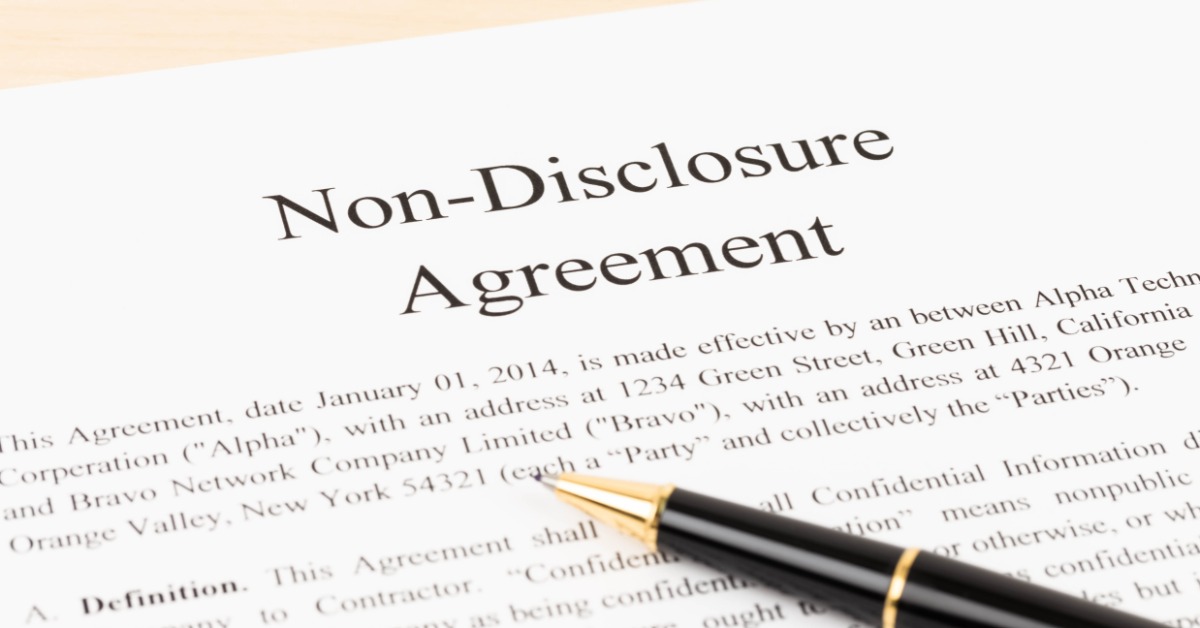
A non-disclosure agreement (NDA) helps protect confidential information during the business sale process. It gives sellers a way to provide qualified buyers with the information they need while setting clear expectations about how the buyers may use that information.
Understanding how NDAs work can help business owners approach a sale with greater confidence.
What Is a Non-Disclosure Agreement?
An NDA is a legal agreement that restricts how one or more parties may use or share confidential information. During a business transaction, a seller may require a prospective to agree to an NDA before providing them with more company information.
The agreement typically identifies what the seller considers confidential and explains how the buyer may use that information. It may also address how long confidentiality obligations remain in place and what the buyer must do with confidential materials if the transaction does not move forward.
Why Confidentiality Matters During a Sale
Now that we understand what non-disclosure agreements are, why do we need them in business sales? Premature disclosure of a possible sale can create unnecessary uncertainty. Rumors of an impending sale can ruin employee morale, unsettle longstanding customers, and open the door for competitors to take advantage of the opportunity the uncertainty provides.
Owners also have legitimate reasons to protect financial and operational information. A buyer needs enough detail to evaluate the company, but that does not mean every interested party should receive unrestricted access to sensitive records.
When Buyers Usually Sign an NDA
Business sellers generally do not provide every piece of company information when a potential buyer first expresses interest. The process usually moves in stages, with more sensitive information becoming available as the buyer demonstrates genuine interest and financial capability.
Experienced brokers in Seattle, Washington, can help sellers manage this flow of information and determine when prospective buyers should receive additional details. An NDA commonly enters the process before a buyer receives confidential materials that go beyond a basic, non-identifying overview of the opportunity.

What Happens After Participants Sign the NDA?
After establishing the NDA, the seller or broker may provide additional information to help the buyer evaluate the opportunity. The exact materials will depend on the business, the stage of discussions, and the buyer’s level of qualification.
More financial information may come later in the process. Sellers should still control access carefully rather than treating an NDA as permission to disclose everything at once.
What Information Can an NDA Protect?
Every transaction differs, so the information an NDA covers can vary. In a business sale, confidential information may include material that could affect the company if competitors, employees, customers, or other parties received it without permission.
Examples may include:
- Financial statements, tax information, and internal performance records
- Customer, vendor, and supplier information
- Pricing methods, processes, and proprietary business practices
- Details about employees, contracts, or the transaction proposal
An NDA may define confidential information broadly, or it may identify particular categories. Sellers should work with qualified legal counsel when determining what protections fit their situation.
Not Every Piece of Information Is Confidential
An NDA does not automatically turn publicly available information into a secret. Information that a buyer already lawfully possesses or receives from another legitimate source may also fall outside the agreement, depending on its terms.
Clear definitions matter because both sides must understand what the agreement covers. Vague expectations can create confusion later in the transaction.
How NDAs Support a Controlled Sale Process
Confidentiality works best when it forms part of a broader process for qualifying buyers and releasing information gradually. An NDA provides one layer of protection, but sellers should also consider who receives information, why they need it, and how much they need at that stage.
A business broker can help coordinate this process. Instead of responding independently to every inquiry, the seller can use an organized system for screening interested parties and managing the release of confidential material.
Protecting the Identity of the Business
In some sales, even revealing the name of the company can disclose more than the seller wants to share initially. Public marketing may describe the industry, approximate size, or general location without identifying the business.
Once a prospective buyer completes the required confidentiality steps, the seller can decide whether to release identifying information. This approach gives the owner more control over who knows the business is available for sale.
What an NDA Cannot Guarantee
An NDA creates legal obligations, but it cannot physically prevent someone from sharing information. Sellers still must use judgment when deciding what to disclose and when to disclose it.
The agreement also does not replace buyer screening. A seller should consider whether a prospective buyer appears financially capable, understands the process, and has a legitimate reason for requesting sensitive information.
NDAs Do Not Replace Legal Advice
Business brokers can explain how confidentiality fits within the sale process, but an NDA is a legal document. Sellers should consult an attorney about the wording, enforceability, and suitability of an agreement for their specific transaction.
Legal requirements and circumstances can differ from one deal to another. Professional legal advice can help the seller understand the agreement before relying on it.
Confidentiality Should Continue Through Due Diligence
Due diligence requires a deeper exchange of information. A serious buyer may review financial records, contracts, leases, employee information, and other business documents before completing the purchase.
The NDA remains important during this stage because the buyer now has access to significantly more information. Sellers should continue using secure, organized methods for sharing records rather than relaxing confidentiality simply because negotiations have advanced.
A broker can help coordinate requests and focus the exchange on information relevant to the transaction.
What Happens If the Deal Does Not Close?
Many interested buyers will not ultimately purchase the business. A buyer may decide the opportunity is not the right fit, negotiations may end, or the parties may fail to agree on final terms.
Confidentiality obligations can remain important even after discussions stop. Depending on the NDA, the buyer may continue to have restrictions on using or disclosing information received during the process.
The agreement may also address the return or destruction of confidential documents.
Protect Confidentiality From the Start
A business sale requires enough transparency for buyers to make informed decisions, but sellers do not have to give up control of sensitive information to create that transparency. A well-structured NDA can establish clear expectations and support a more disciplined approach to disclosure.
The strongest confidentiality practices extend beyond a signed document. Careful buyer qualification, staged information sharing, and professional transaction management can help business owners protect what they have built while exploring a sale.
If you are considering selling a business in the Seattle area, Sound Business Brokers can help you manage the process with confidentiality and professional guidance from the initial inquiry through the transaction. Contact Sound Business Brokers to discuss your business, your questions, and the next steps toward a potential sale.